



- June 8, 2026
- Posted by: Mustafa Chohan
- Category: Dynamics 365 Business Central

Everyone need to understand Business Central vs Traditional ERP As businesses grow, managing finances, operations, inventory, and customer relationships becomes increasingly complex. Enterprise Resource Planning (ERP) systems help organizations streamline these processes, improve efficiency, and gain better visibility into their operations.
For years, traditional ERP systems have been the go-to solution for enterprise management. However, modern cloud-based platforms like Microsoft Dynamics 365 Business Central are transforming how businesses approach ERP implementation and management.
If you’re evaluating ERP solutions, understanding the differences between Business Central and traditional ERP systems can help you make an informed decision.
What Is Business Central?
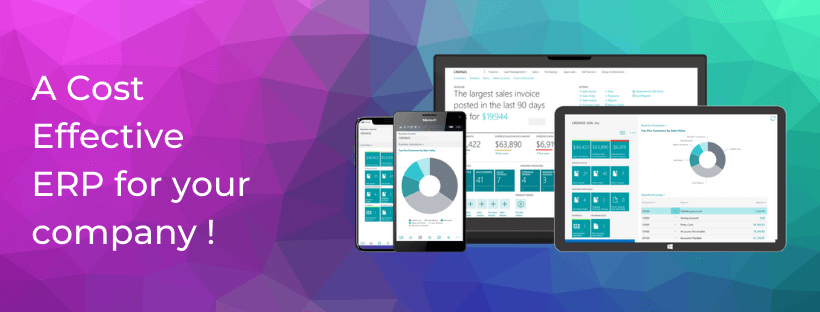
Microsoft Dynamics 365 Business Central is a cloud-based ERP solution designed for small and medium-sized businesses. It combines financial management, supply chain operations, sales, purchasing, inventory management, project management, and reporting into a single integrated platform.
Business Central offers the flexibility, scalability, and accessibility that modern businesses need while eliminating many of the challenges associated with traditional ERP systems.
What Are Traditional ERP Systems?
Traditional ERP systems are typically on-premises solutions installed and maintained on a company’s own servers and infrastructure. While they provide comprehensive functionality, they often require significant upfront investment, dedicated IT resources, and lengthy implementation timelines.
Examples of traditional ERP deployments often involve customized, locally hosted environments that require ongoing maintenance and periodic upgrades.
Business Central vs Traditional ERP Systems
1. Deployment and Accessibility
Business Central
Business Central is cloud-based, allowing users to access business data securely from anywhere with an internet connection. Employees can work remotely and collaborate seamlessly across departments.
Benefits:
- Anytime, anywhere access
- Remote workforce support
- No local server dependency
- Automatic updates
Traditional ERP Systems
Traditional ERP solutions are usually hosted on-premises and may require VPN access or additional infrastructure for remote connectivity.
Challenges:
- Limited accessibility
- Higher infrastructure requirements
- Greater dependence on internal IT teams
2. Implementation Time
Business Central
Cloud deployment significantly reduces implementation complexity and time. Businesses can often go live much faster compared to traditional ERP projects.
Advantages:
- Faster deployment
- Reduced disruption
- Lower implementation costs
Traditional ERP Systems
Implementation often involves hardware procurement, software installation, customization, and extensive testing.
Challenges:
- Longer project timelines
- Higher setup costs
- Increased project risk
3. Cost Structure
Business Central
Business Central follows a subscription-based pricing model, making ERP technology more accessible for growing businesses.
Benefits:
- Lower upfront investment
- Predictable monthly costs
- Reduced maintenance expenses
Traditional ERP Systems
Traditional ERP systems often require substantial upfront capital investment for software licenses, hardware, infrastructure, and maintenance.
Challenges:
- High initial costs
- Additional upgrade expenses
- Ongoing infrastructure investments
4. Scalability
Business Central
As your business grows, Business Central can easily scale to support additional users, locations, and operational requirements without major infrastructure changes.
Advantages:
- Flexible growth
- Easy user expansion
- Multi-company support
Traditional ERP Systems
Scaling often requires hardware upgrades, additional licensing, and increased IT management.
Challenges:
- Infrastructure limitations
- Higher scaling costs
- More complex upgrades
5. Updates and Maintenance
Business Central
Microsoft manages updates automatically, ensuring businesses always have access to the latest features, security enhancements, and performance improvements.
Benefits:
- Automatic upgrades
- Improved security
- Reduced IT workload
Traditional ERP Systems
Organizations are responsible for managing upgrades and maintaining system infrastructure.
Challenges:
- Costly upgrade projects
- Downtime risks
- Resource-intensive maintenance
6. Integration Capabilities
Business Central
Business Central integrates seamlessly with Microsoft’s ecosystem, including Microsoft 365, Teams, Power BI, Outlook, and Excel.
Benefits:
- Enhanced collaboration
- Improved productivity
- Unified business environment
Traditional ERP Systems
Integration may require custom development or third-party tools, increasing complexity and costs.
7. Security and Compliance
Business Central
Microsoft invests heavily in cloud security, data protection, and compliance standards, providing enterprise-grade security for businesses of all sizes.
Benefits:
- Advanced security features
- Regular security updates
- Compliance support
Traditional ERP Systems
Security responsibility primarily rests with the organization and its IT team.
Challenges:
- Higher security management burden
- Additional compliance costs
Which Solution Is Best for Your Business?
Business Central is often the ideal choice for organizations seeking:
- Faster implementation
- Lower ownership costs
- Cloud accessibility
- Scalability
- Automated updates
- Seamless Microsoft integration
Traditional ERP systems may still suit organizations with highly specialized legacy environments or strict on-premises requirements. However, for most modern businesses, cloud ERP solutions offer greater flexibility and long-term value.
Conclusion
The ERP landscape has evolved significantly, and businesses no longer need to rely solely on expensive, complex on-premises systems. we can define Business Central vs Traditional ERP like Microsoft Dynamics 365 Business Central delivers the functionality of traditional ERP systems while offering the advantages of cloud technology, including flexibility, scalability, lower costs, and real-time accessibility.
By choosing the right ERP solution, businesses can improve operational efficiency, gain better financial visibility, and position themselves for sustainable growth.
Ready to Upgrade Your ERP System?
At Tech Ventures, we specialize in implementing and customizing Microsoft Dynamics 365 Business Central to help businesses streamline operations, improve financial management, and accelerate growth. Our team works closely with organizations to ensure a smooth transition from legacy systems and maximize the value of their ERP investment.
Contact Tech Ventures today to schedule a consultation and discover how Business Central can modernize your business operations and drive long-term success.